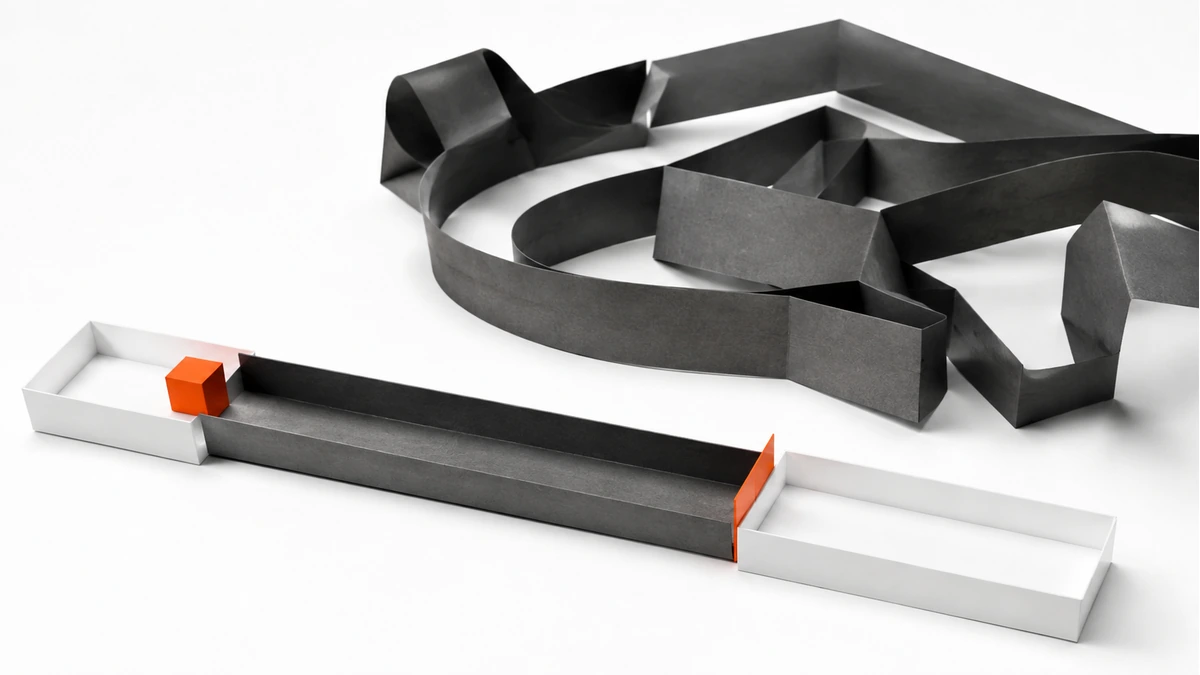
The first workflow you hand to an AI agent does more than save time. It teaches your organisation whether to trust the second one. Choose it for the evidence it will produce, not for how impressive it sounds.
Most businesses have a list. Somewhere on it is the ambitious idea, the one that would change everything if it worked, and somewhere else is the dull one, the task everyone hates and nobody would miss. The temptation is to start with the ambitious idea. The discipline is to start with the dull one, because the dull one can be measured, finished and pointed to, and that is what the second project will be judged against.
Start where the pain is already counted
The best first workflow is one where someone already knows the cost. A lawyer who can tell you she spends an hour a day filing email into matters. A clinic that knows each new client means four hours of calculations and report writing. A hotel that knows guests give up after scrolling two hundred results. When the pain is already counted, the before-and-after writes itself, and nobody has to argue about whether the project worked.
If nobody can put a number on the problem, that is useful information too. It usually means the work is not as painful as it seems, or that it is spread so thinly across so many people that no single owner will fight for the change. Either way, it is not where to start.
The first project is not there to prove what AI can do. It is there to prove what your business can measure.
The shape of a good first workflow
- 01Repetitive, with a little judgement in it. Pure rules can be automated without AI. Pure judgement should stay with people. The sweet spot is work that follows a pattern most of the time and needs a sensible reading of the exceptions: classifying, drafting, summarising, matching.
- 02A clear input and a clear output. An email arrives, a filed record appears. A recording ends, a draft file note exists. When the edges are sharp, the system is easy to test and easy to trust.
- 03A person who checks the result. Not forever, but at the start. A human review step is how the people affected learn what the system does and how it earns the right to run unattended.
- 04A number that will move within weeks. Hours per day, documents per week, minutes to an answer. If the measure cannot move inside the first month, choose something else.
What to leave for later
Anything customer-facing that carries legal or safety consequences. Anything that depends on data nobody has cleaned. Anything that needs three departments to agree before it can run. These are all worth doing, and several of them are where the largest returns live, but they are second and third projects. They borrow trust from the first one, and the first one has to have earned it.
The same goes for the ambitious idea. It is not wrong. It is early. A business that has watched one workflow move from four hours to twenty minutes, with a named owner and a retired spreadsheet, is in a completely different position to sponsor something ambitious than a business that has only seen a demo.
How the first one sets up the second
Every case study we can point to started this way. Email filing before meeting intelligence. One consultation flow before a companion application and gym partnerships. A concierge that answers one question well before it does anything else. In each case the first workflow produced a number, the number produced trust, and trust produced the mandate for the next piece of work.
So when you look at your list, resist ranking it by ambition. Rank it by how quickly it can produce a measured result that a sceptical colleague would accept. Start there. The ambitious idea will still be waiting, and it will be far easier to fund.